Microwave-Driven Electrodeless UV Experimental System: A "Photochemical All-Rounder" for the Lab
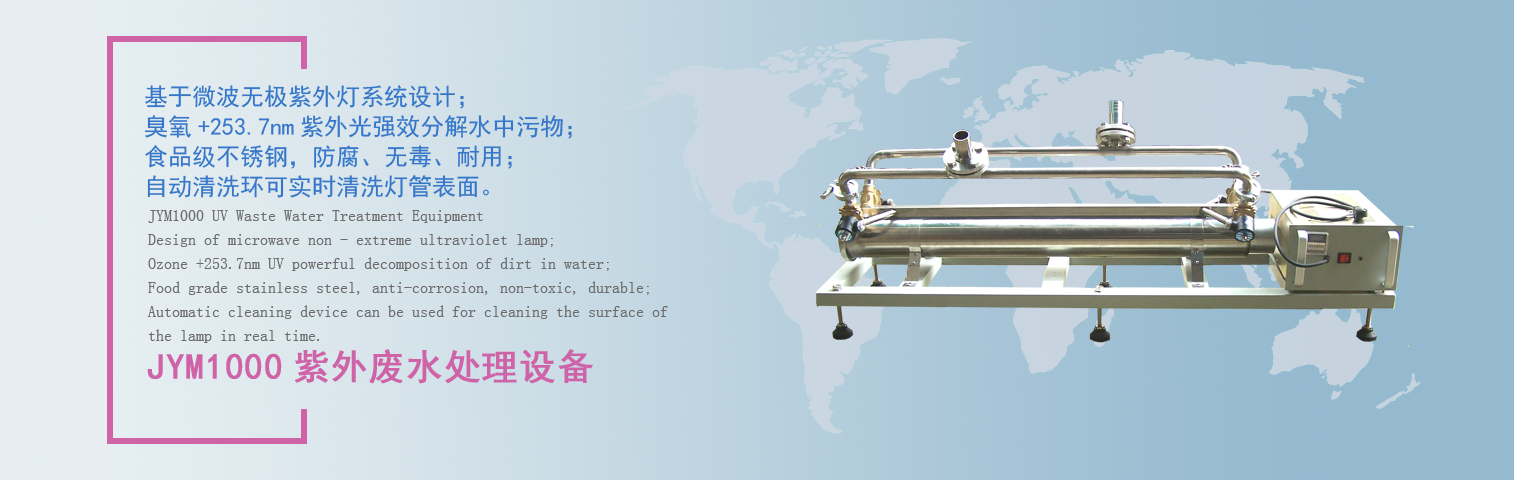
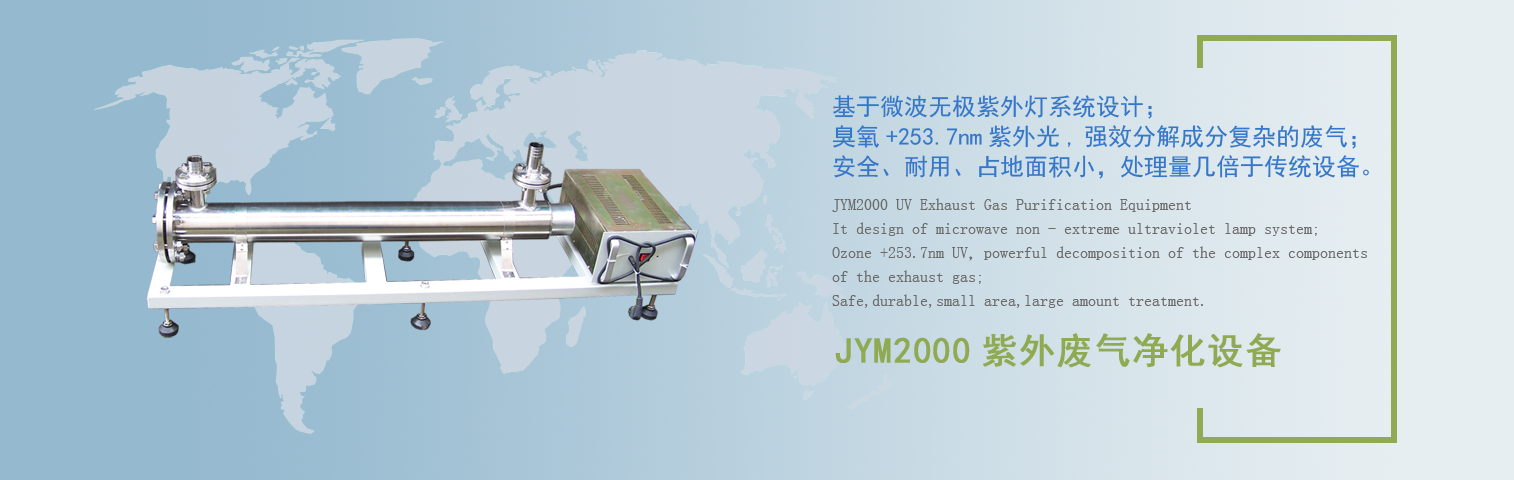
You might have seen UV germicidal lamps, and you might know about ozone-based advanced oxidation. But there's a device that integrates **185nm high-energy UV, 254nm strong germicidal UV, ozone synergistic oxidation, and full-spectrum modular capabilities** into a compact reactor—that's the microwave-driven electrodeless UV experimental system.
## What Makes It Fundamentally Different from Traditional UV lamps?
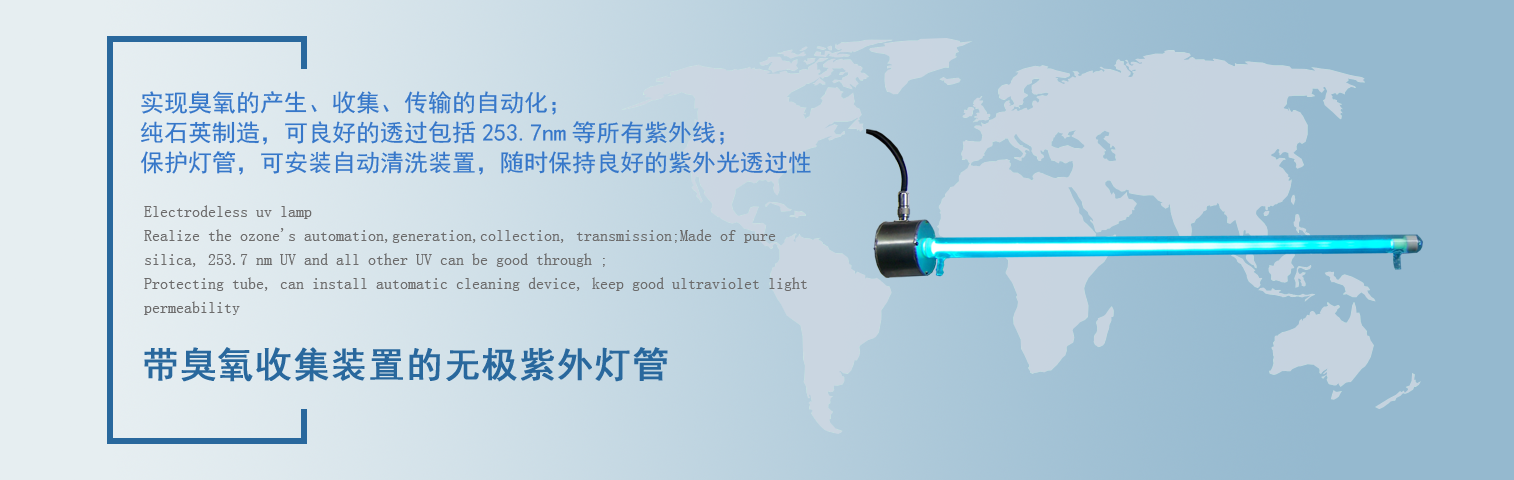
Traditional UV lamps rely on electrodes for discharge. Over time, electrodes degrade, darken, and suffer significant light decay. Electrodeless lamps have no electrodes—they are **driven by microwave energy**, with a lifespan easily exceeding 10,000 hours and stable UV output, making them particularly suitable for long-duration continuous experiments.
More importantly, the UV spectral output is **not a single wavelength but a continuous distribution from 185nm to 254nm**. This means:
- **185nm** → directly cleaves organic molecular chains while simultaneously converting atmospheric oxygen into ozone - **254nm** → provides strong germicidal action and further oxidizes recalcitrant compounds
Together, this gives you both "UV photolysis" and "ozone oxidation" in a single system.
## Why Is the Reactor Design So "Smart"?
The biggest pain point for many UV experimental setups is: **the liquid layer is too thick for UV to penetrate effectively**.
This system uses **a narrow-gap pure quartz channel**, allowing liquids or gases to flow through as an ultra-thin film. UV light penetrates every droplet uniformly, achieving far higher reaction efficiency than conventional immersed lamp configurations.
Moreover, the electrodeless lamp itself generates ozone during operation. The system can directly introduce this ozone into the reaction zone, enabling **photo-ozone synergistic action** without requiring a separate ozone generator.
Beyond the standard electrodeless UV module, you can quickly swap in:
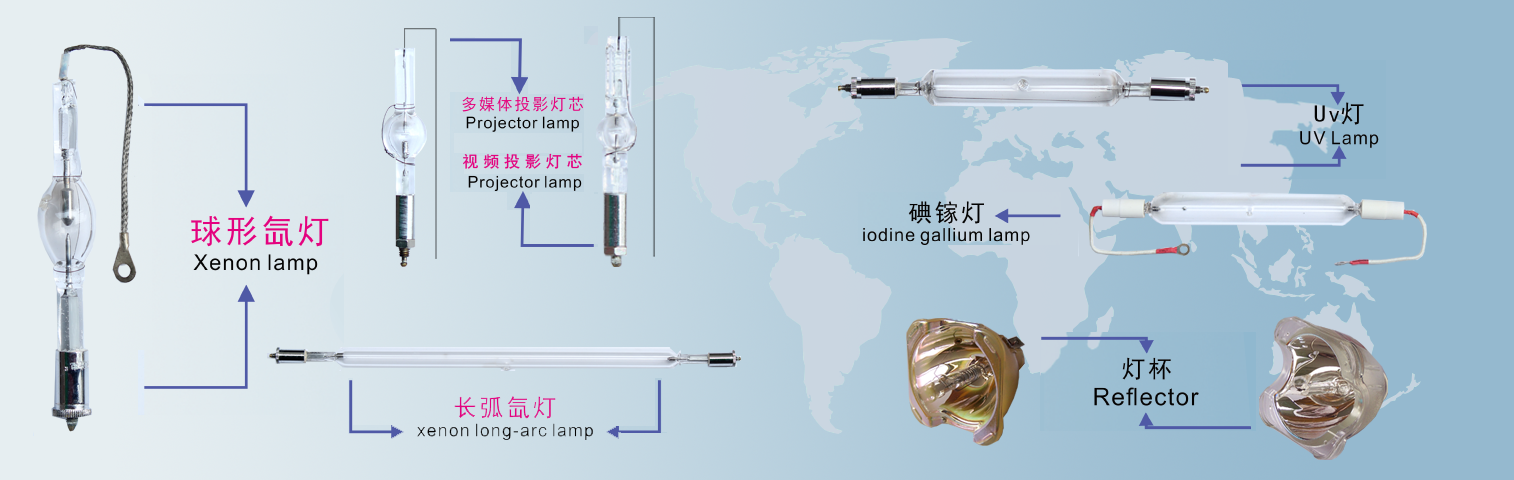
- **Iron halide module** → supplements the UV-B band - **Gallium iodide module** → extends into near-UV and visible ranges for photocuring and photochemical research
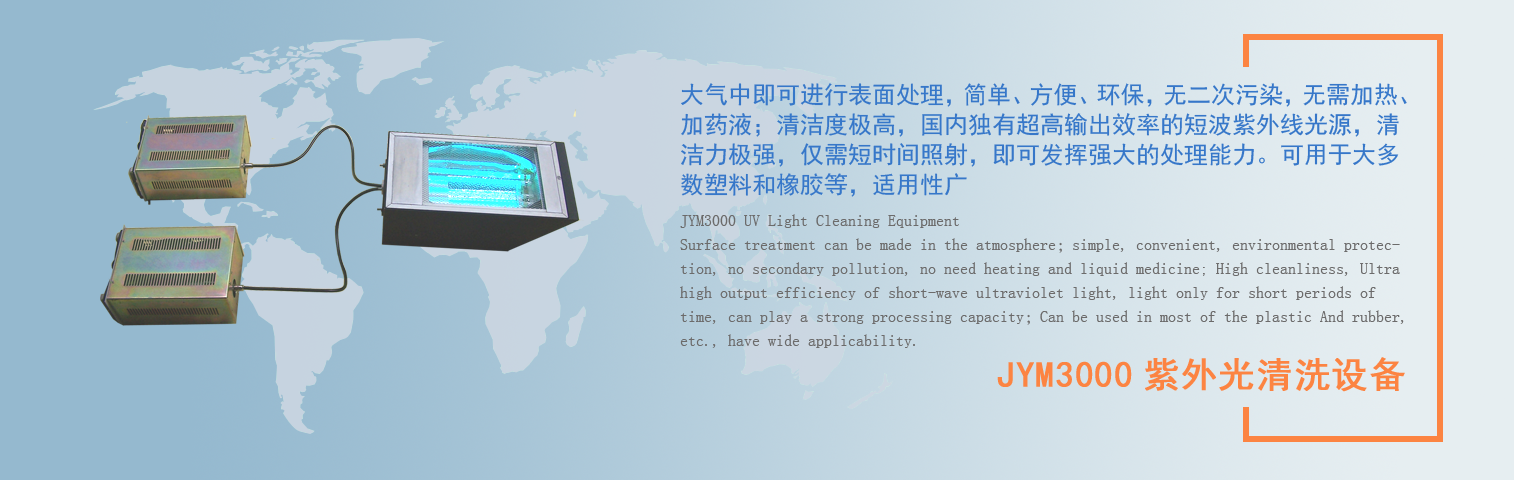
In other words, a single platform covers **nearly the entire spectrum from deep UV to visible light**. Whether you're working on wastewater treatment, VOC off-gas degradation, or photocatalytic material evaluation, there's a light source configuration to match.
If you're considering acquisition, I'd suggest confirming these points upfront:
1. What is the **flow rate range**? (typically in the 0.5–5 L/min range) 2. Is there calibrated **optical power density at 254nm** data available? 3. Does the quartz reactor support **in-situ cleaning** or quick disassembly? 4. Is there an **ozone destruction unit** for off-gas? (lab ventilation safety is critical)
## Summary
The microwave-driven electrodeless UV experimental system is not just "a longer-lasting UV lamp"—it's a **compact reaction platform that integrates microwave driving, broad-spectrum UV, ozone synergy, and modular spectral control**. For research requiring precise light-source conditions and treatment of complex liquid or gas matrices, it offers a remarkably flexible and efficient experimental tool.